The treatment of chronic venous insufficiency has undergone a paradigm shift over the last two decades. While traditional vein stripping was once the only option, Endovenous Laser Ablation (EVLA)—also known as EVLT—has emerged as the gold standard. At the heart of this minimally invasive revolution is the Radial Fiber, a sophisticated delivery system that has rendered traditional bare-tip fibers obsolete.
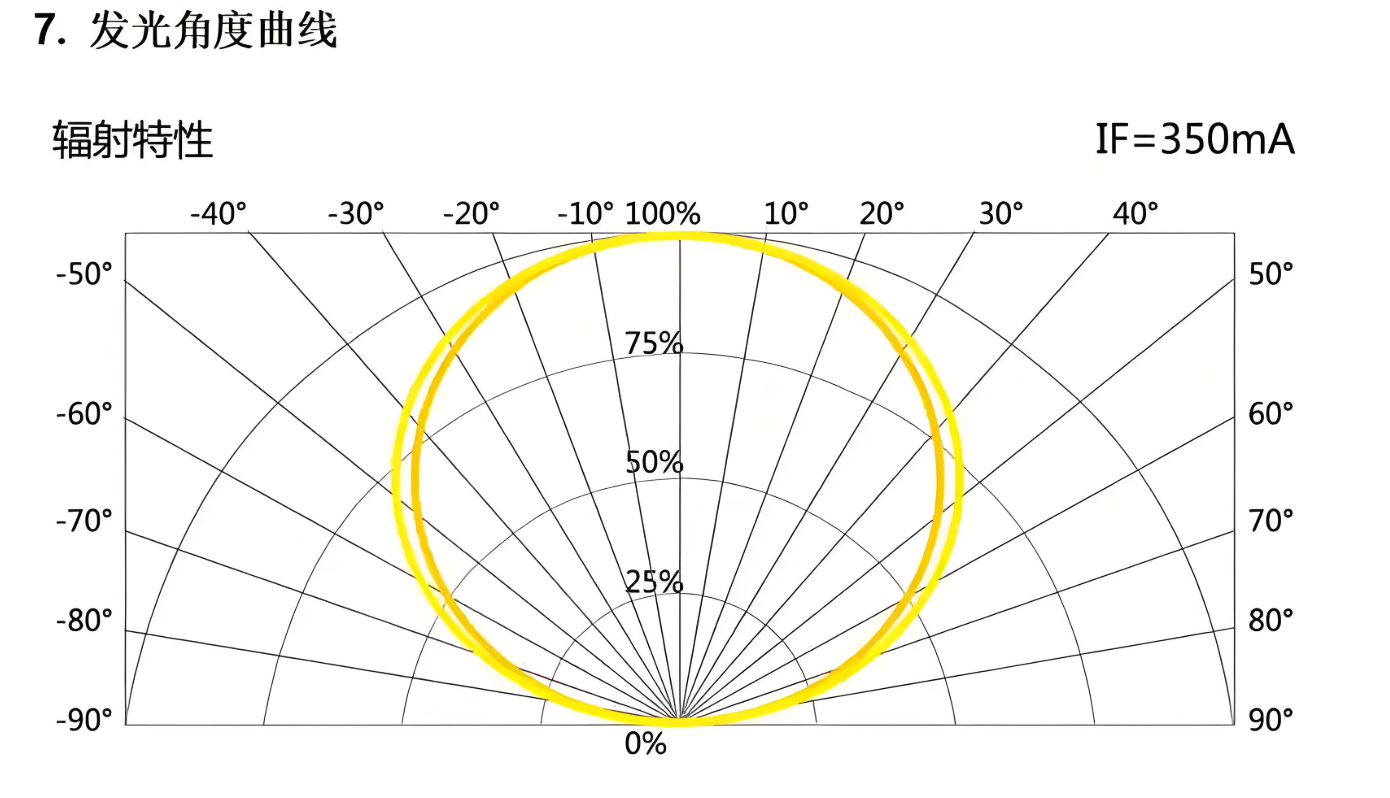
By emitting laser energy in a seamless $360^\circ$ circle, radial fibers ensure uniform heating of the vein wall, leading to higher occlusion rates and significantly fewer complications.
1. The Physics of $360^\circ$ Radial Emission
Unlike legacy fibers that emit light in a forward-facing "spot" beam, a Radial Fiber utilizes a fused silica prism or a reflective cone at its tip. This technology redirects the laser energy outward, targeting the endothelium of the vein directly without the risk of perforating the vessel wall.
As we analyze in our technical comparison, Radial Fiber vs. Bare Fiber: Why $360^\circ$ Emission Reduces Post-Op Pain. This radial distribution prevents the "hotspots" that cause carbonization and localized vein wall charring.
2. Compatibility with 1470nm Laser Systems
While radial fibers can be used with various wavelengths, they are most effective when paired with 1470nm diode lasers. The 1470nm wavelength targets water in the vein wall specifically, requiring less power (Watts) than older 980nm systems to achieve permanent closure.
The synergy between a high-quality Radial Fiber and a 1470nm laser results in an almost bloodless procedure with minimal thermal spread to surrounding nerves.
3. Choosing Your Configuration: Single-Ring vs. Double-Ring
Not all radial fibers are designed for the same clinical scenario. Depending on the diameter of the Great Saphenous Vein (GSV) or the presence of tortuous segments, surgeons must choose between different ring configurations.
For a deep dive into which fiber suits your specific case, read our guide: Single-Ring vs. Double-Ring Radial Fibers: Choosing the Right Tool for Venous Closure.
4. Safety First: The Importance of Tip Integrity
In the delicate environment of the venous system, the structural integrity of the fiber tip is paramount. Low-quality fibers often use glue to attach the radial cap, which can become brittle and detach during pull-back.
Our fibers utilize advanced Laser Welding Technology to fuse the cap to the core, a critical safety feature we discuss in Common Complications in EVLT and How Fiber Quality Prevents Tip Detachment.
Conclusion
The transition to Radial Fiber technology represents a commitment to patient comfort and surgical precision. By providing a $360^\circ$ uniform ablation, clinicians can achieve permanent venous closure with nearly zero downtime for the patient.